Our Mission
Preserving Cultural Memory
The Woodland Plantation Museum tells three intertwined stories of the 1811 German Coast Uprising, the legacy of Kid Ory, and the plantation-to-petrochemical continuum through descendant-led care, exhibitions, research, and public engagement.
We preserve and activate cultural memory through trauma-informed practices that support reflection and learning while holding difficult history with honesty and respect.
Our vision
Creating a River Parishes museum where truth-telling, cultural creativity, and environmental justice guide how we remember and build what comes next.
We Aim To
- Deepen public understanding of the 1811 German Coast Uprising and its ongoing impact.
- Honor and amplify Kid Ory’s legacy by elevating music education and appreciation with a focus on Ory’s contributions to jazz, culture, and resistance.
- Illuminate the plantation-to-petrochemical continuum from the extractive practices of the plantation economy and its impact to the environment and Black health and how land, labor, and ecology have been reshaped over time throughout St. John the Baptist Parish and the “Cancer Alley” corridor.
- Center descendants and community knowledge by recognizing their contributions, acknowledging their role in sustaining community and the history of their ancestors. through ethical research, oral history, and shared stewardship.
- Create meaningful visitor experiences—programs, walks, talks, and exhibitions that invite reflection, dialogue, and learning.
- Build a living museum on the grounds by caring for the site, expanding access, and growing partnerships that sustain the work.
origin Site
Grounded in stories
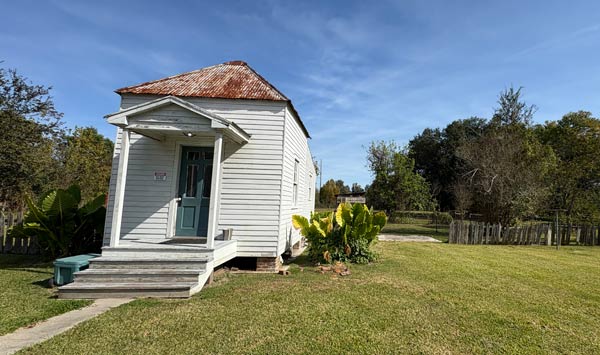
Woodland Plantation Museum & Cultural Center is a site where history is not abstract. It is grounded. In 1811, this was the plantation of Manuel Andry, where the 1811 German Coast Uprising began on January 8, 1811. It was the largest enslaved revolt in American history.
This house is also the birthplace of Edward “Kid” Ory (December 25, 1886), a jazz pioneer whose trombone helped shape the sound we now recognize as New Orleans jazz.
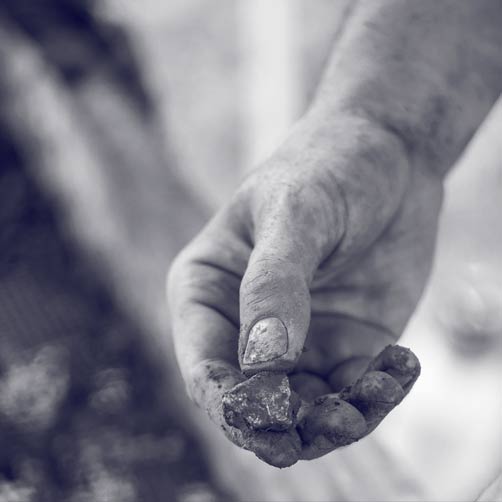
Woodland is a museum of land as much as a museum of rooms. These grounds hold generations of people who lived, loved, and labored here—people whose names are often missing from the archive, but not from the soil. And this place sits inside a later, ongoing transformation: the Mississippi River petrochemical corridor, where dense industrial development has produced profound environmental and public health burdens for nearby communities.
On this site, invite you to move slowly, listen closely, and let this place tell the story it has been holding.
3 Interwoven Stories
1811 German Coast Uprising
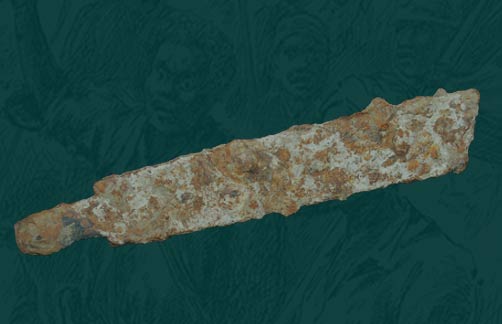
The 1811 German Coast Uprising began on January 8, 1811. It was the largest enslaved revolt in American history.
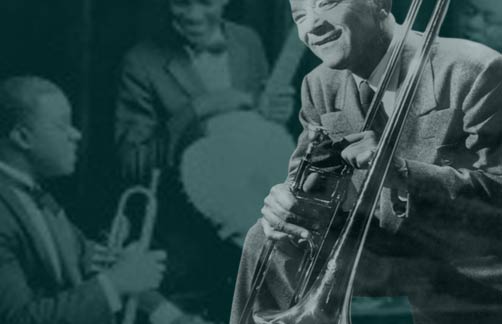
The Legacy of Kid Ory
The birthplace of Edward “Kid” Ory (December 25, 1886), a jazz pioneer whose trombone helped shape the sound we now recognize as New Orleans jazz.
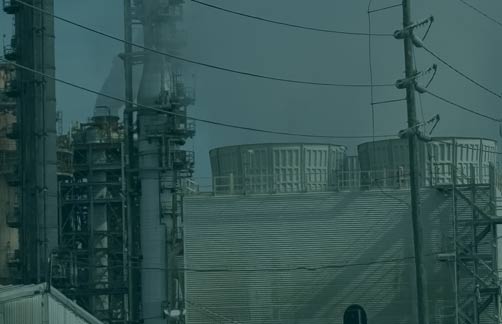
Plantation-to-Petrochemical
The Mississippi River petrochemical corridor, has produced profound environmental and public health burdens for nearby communities.
our blog
Latest from our blog
For the Dreamers – Coming soon
Your Support
Woodland Plantation Museum & Cultural Center is in LaPlace, Louisiana, 30 minutes from New Orleans, along the Mississippi River in Louisiana’s River Parishes